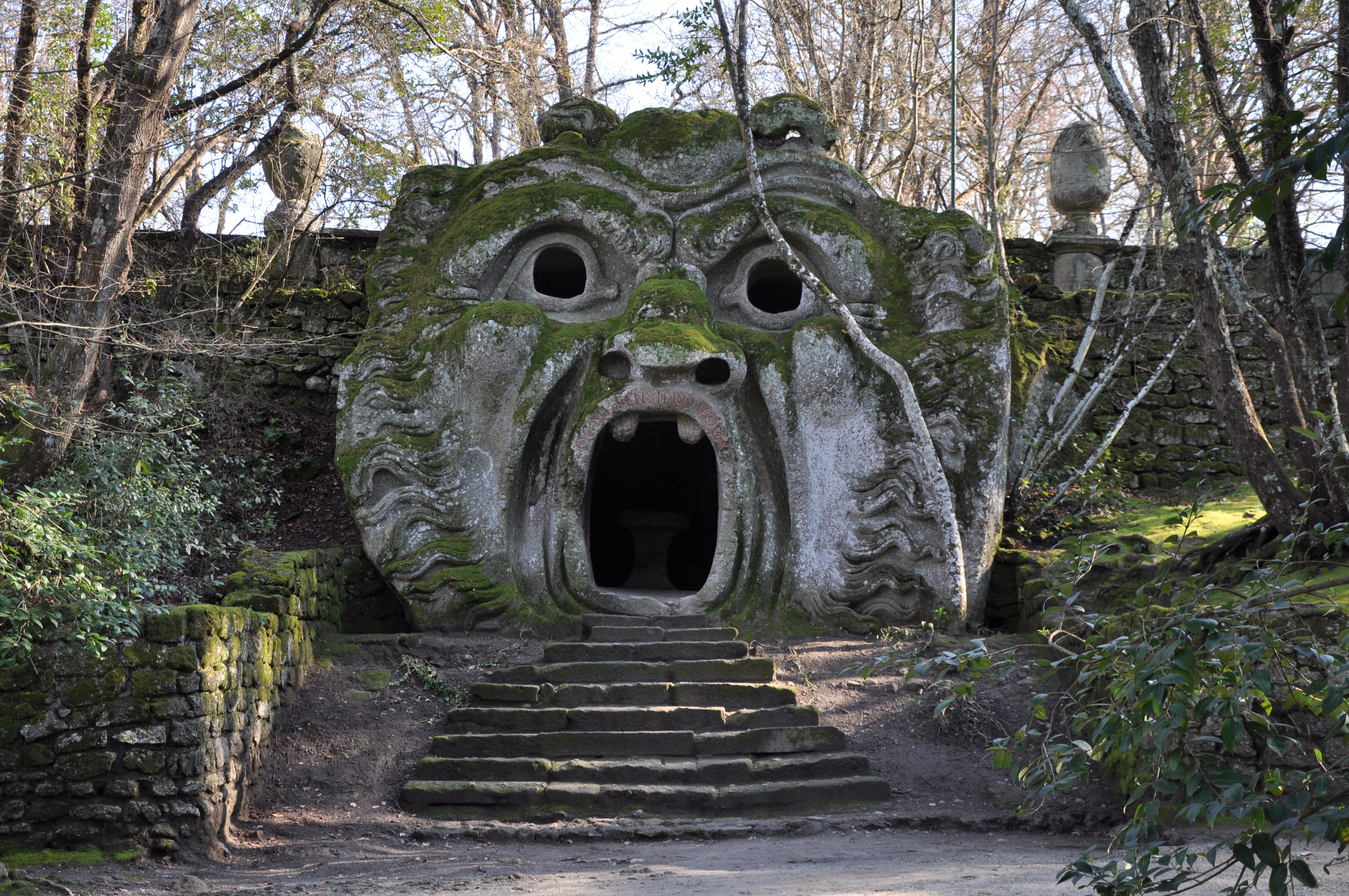
Italian-style gardens—those classic designs with geometric shapes, laurel and boxwood hedges, and unnatural evergreen arrangements—could also be interpreted (at least in my opinion) as an expression of such an intense desire for nature that one might declare: “I want my entire world to be made of plants, leaves, and branches, even if I have to work tirelessly to achieve it.”
Another crucial aspect of Italian gardens, particularly historical ones (or let’s say “ancient” gardens, which persisted until relatively recently), is their symbolic value. This symbolism isn’t limited to representing protection or an idealized, perfected nature. Rather, these gardens often had explicit themes, functioning almost like thematic parks.
The universal yet deeply personal need for a garden manifests differently across eras, shaped by cultural influences. And, by the way, gardens today follow trends and directions that reflect our times: some gardens prioritize seclusion: “I want a garden to avoid intrusions—to keep people from peering into my home or observing my activities.” Others express a longing to reconnect with nature, whether through naturalistic aesthetics or ecological processes that mimic wild ecosystems.
Then there are gardens designed to showcase wealth and abundance, using luxurious materials, exotic plants, or features like pools—spaces where cultural values are mirrored. Historically, gardens also served playful, escapist, or interpretive roles. Take Villa Torlonia in Rome, with its literary-inspired gardens referencing works like Orlando Furioso.
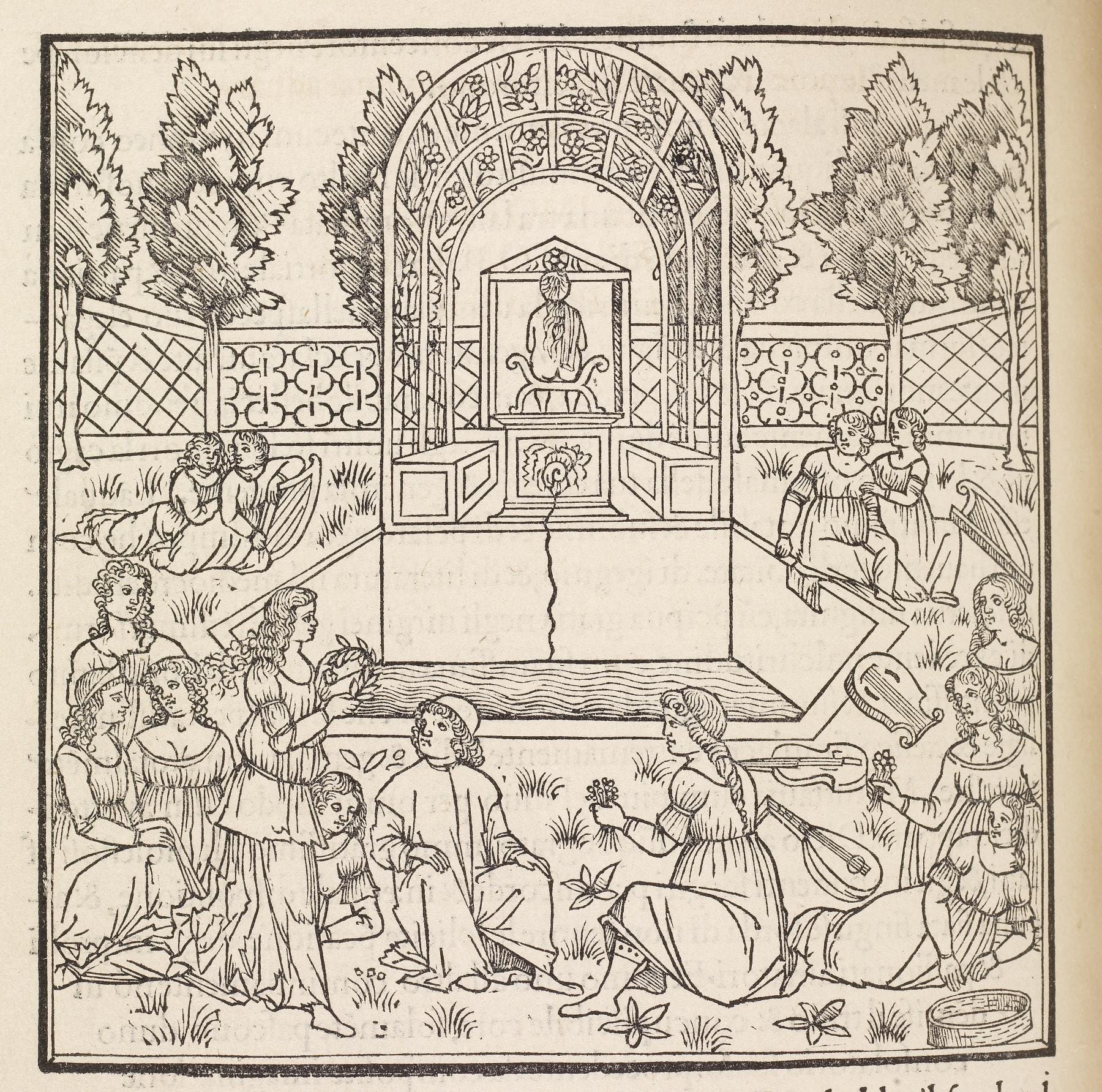
Another example is the Hypnerotomachia Polifili (The Strife of Love in a Dream), a Renaissance text where gardens become allegorical labyrinths centered on a rose symbolizing love.
English gardens, as we know them today, emerged when the British “rediscovered” post-Renaissance Rome—a city then marked by abandoned spaces, forests, pastures, ruins, and bandits. The English sought to recreate this “classical” Roman landscape within their estates, blending geometric precision (like labyrinths) with symbolic narratives. These gardens weren’t mere decorations but spaces for leisure, reflection, and storytelling through water features, optical illusions, and architectural forms.
I often wonder how such layered storytelling could apply to contemporary gardens. Imagine a suburban homeowner saying, “I want my garden to be a game—a place where visitors follow a path inspired by Game of the Goose or interactive narratives.” Envision guiding guests through a themed journey, inviting them to interpret botanical symbols or solve horticultural riddles.
Yet today, many settle for superficial aesthetics.
Historically, a beautiful garden demanded not just resources but intellectual engagement—every trimmed hedge or fountain carried meaning tied to art, philosophy, or power. Water features and geometric games were “serious whimsy,” blending amusement with deeper purpose.
https://commons.wikimedia.org/wiki/File:Bomarzo2013parco21.jpg
https://art.thewalters.org/images/art/PS1_91.400_Det_DD_T12_%20z9v.jpg
Lascia un commento