Giardini per persone non banali

Autore: giardino

  • Masters and landscapes

    Italy, incapable of recognising teachers, of recognising the he need for learning, too busy labelling wise people as snob, is in dire need of masters:

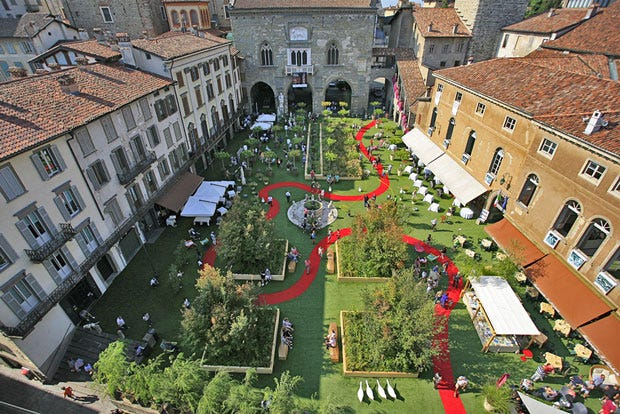
    I went once to the Bergamo landscape festival, and it was a very pleasant experience for me. I could meet not only passionate but also knowledgeable people.
    I have nothing against the festival itself, but it seems to me that it show something that does not work well in Italian (LandArch) culture.

    “I Maestri del Paesaggio” draws from all categories, at all career stages. While it’s good, suggesting that a master does not necessarily have to be an older person and that there is something to learn from everyone, it’s not very clear who the target audience is: general public? professionals?
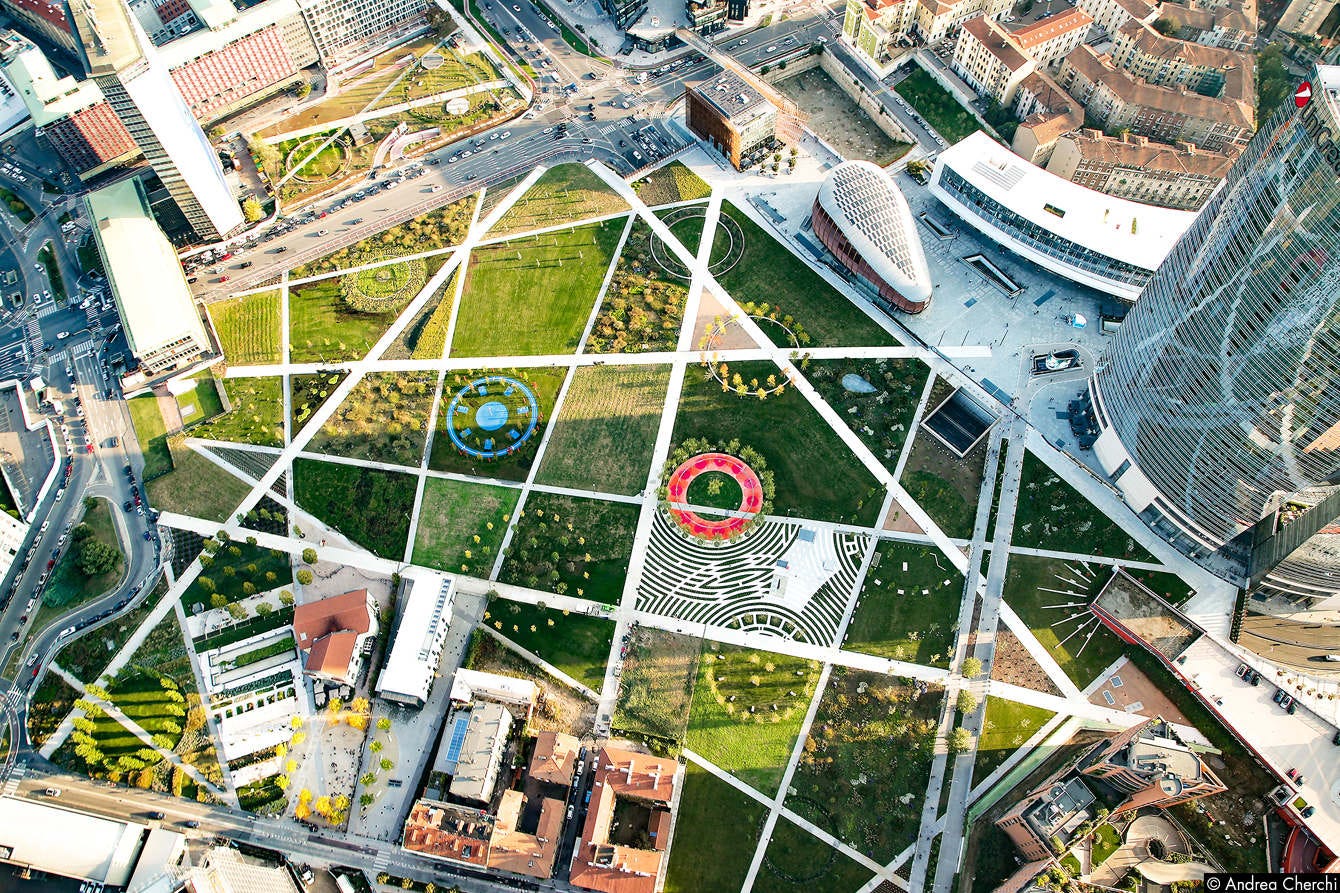
    Landscape architecture in Italy is virtually nonexistent in the public or private sphere. A few giant studios compete for a poor prize. We cry about perpetual emergencies, but favour means and names over ideas. Concrete everywhere, but – OH!- let’s incense a politician for a meager flower bed amidst polluted territories.

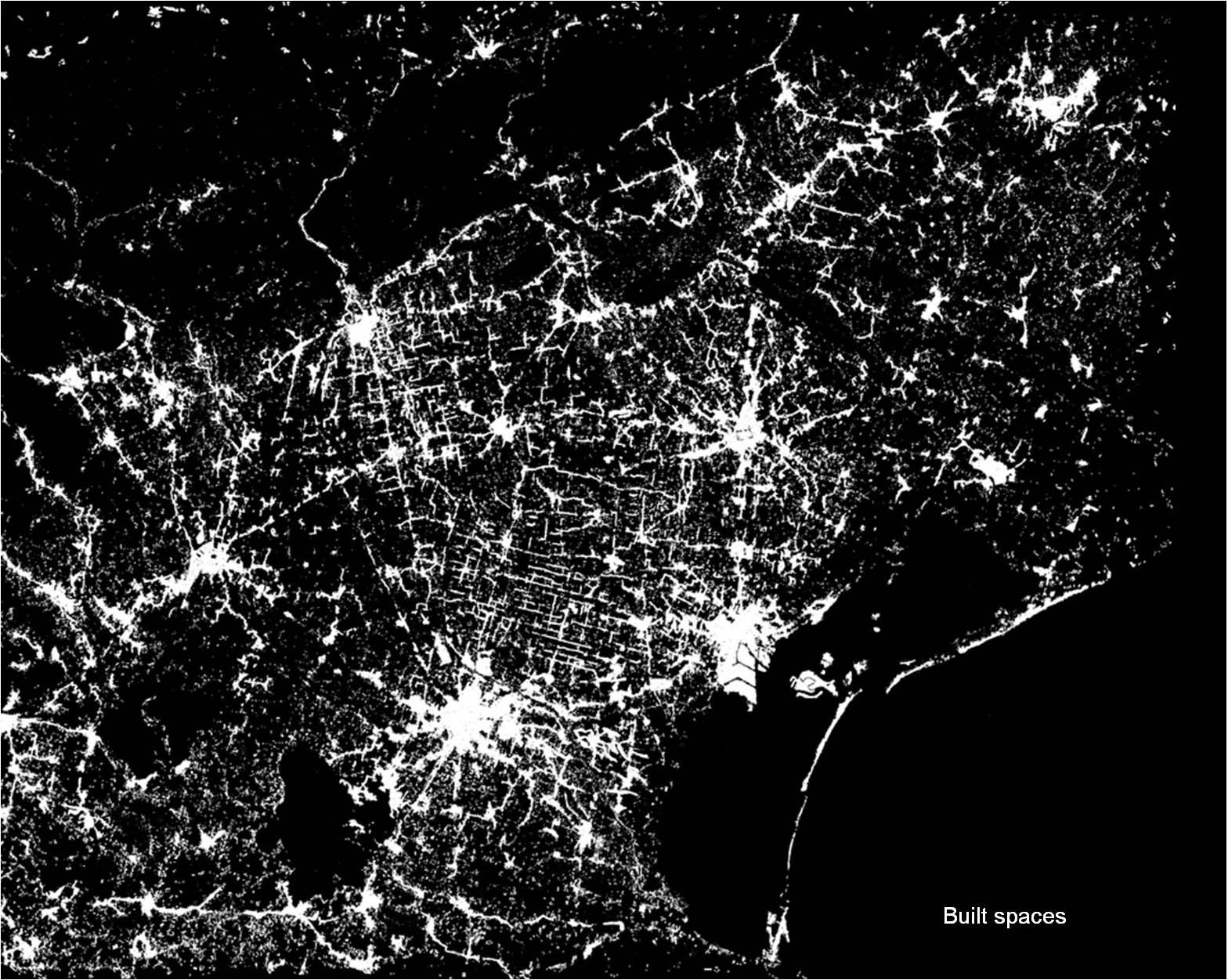
    For centuries now, Italy has been an devastated island, not a peninsula. Few resources, fear of the invaders. This metaphorical insularity paradoxically extends to our profession: highly educated and knowledgeable individuals are slaves to a system that rewards superficiality and inflates vanity.
  • Nature is culture – an odd Italian approach to environmentalism.

    “Someone who wants to defend the environment and the land should know that human works are also a part of it, especially when they are of significant value. And what do they do? They deface it? It’s like polluting your own river.” said Massimo Cacciari, philosopher and former Major of Venice during a talk show on the italian TV show “Otto e mezzo”, last April.

    Cultural Embeddedness of Environmental Protests

    I realized something that I always knew, but it struck me now. In Italy, there is this idea that you cannot protest for the environment if you are attacking monuments or art pieces. The reason is that it’s embedded in our culture; we have the “Codice dei beni culturali e del paesaggio.” They are the same. They share the same code, the same legislation, the same law book. And I think it is incredible.

    Historical Origins and Legislation

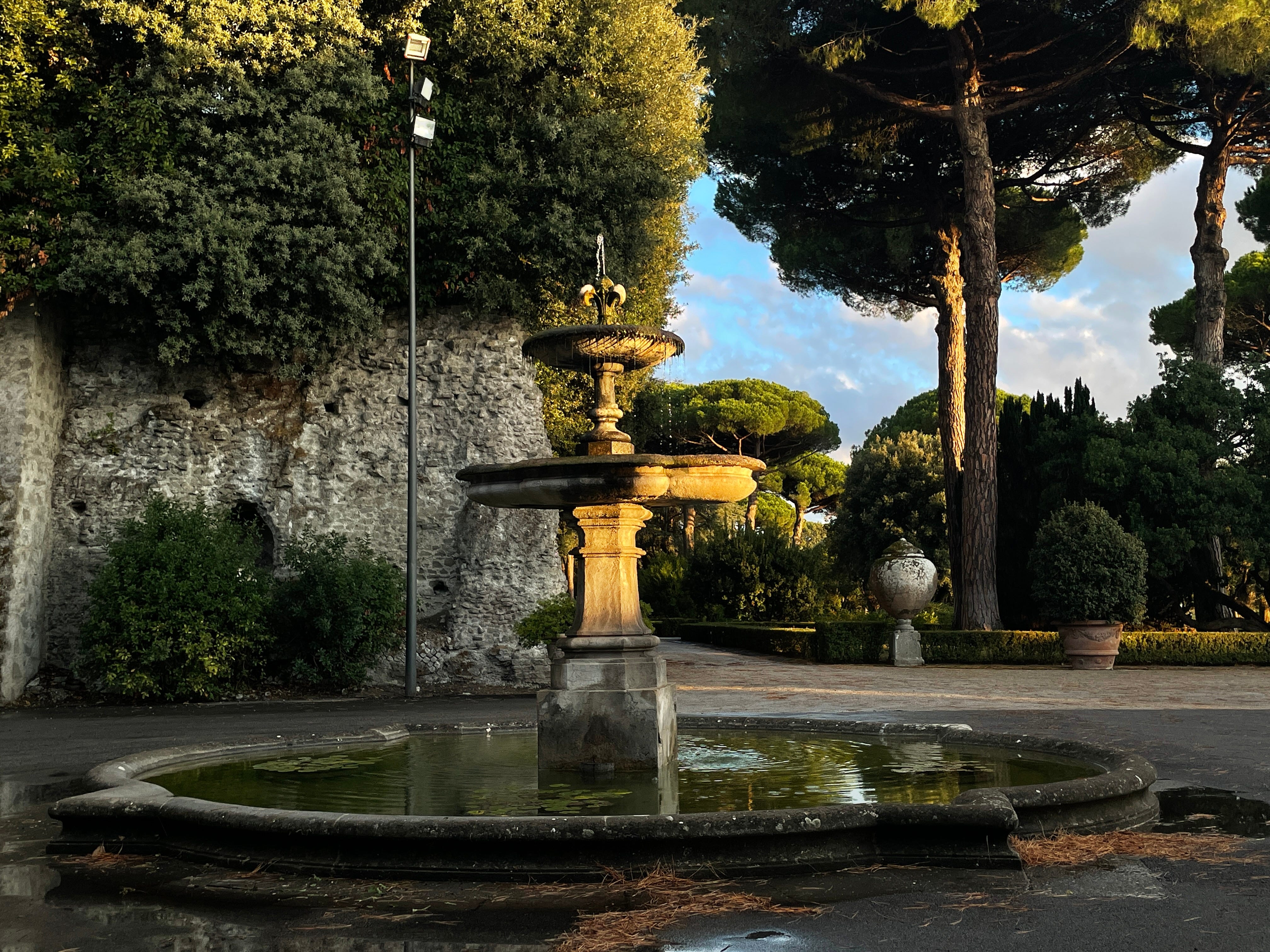
    Somehow, this idea probably originated in the last century with figures like D’Annunzio and Benedetto Croce, who had to create laws to protect landmarks. In this case, we were talking about a pine woodland. And beware, pine woodlands are not natural in Italy; they’ve never been. They were a fashion in the 18th century. So there is this idea that a pine, an oak, a forest, and a fountain are the same.

    Nature as a Cultural Product

    I think there is another consideration: you cannot have a true forest if it’s not managed by humans, if it’s not kept, if it’s not tidy. Because in the end, nature is valued only when it’s a product of our culture. This is where many thinkers, intellectuals, and philosophers, who have been very influential in the last decades in Italy, clash with the idea that you cannot separate these things.

    Cultural Worship and its Limitations

    This worhip of human culture, focused on the past and on technology, without recognizing the world as seen by natural sciences and contemporary cultures (social sciences), is symptomatic of a culture that has neither the capacity nor the intention to look at the world, to the anxieties of people, of the youth, of different cultures.

  • Il giardino non è un progetto

    Il giardino non è un progetto

    Un giardino che si concentra esclusivamente sull’estetica, ansioso di mostrarsi ancor prima di essere realizzato, è spesso destinato a essere incompleto, imperfetto, o addirittura brutto. Questo può essere considerato uno dei peccati capitali nel mondo dei giardini moderni.

    Un Sistema Vivo e Dinamico

    Un giardino non è soltanto un disegno o un progetto statico. È un organismo vivente, un insieme di elementi biotici e abiotici che evolvono nel tempo. Grandi giardini storici sono stati adattati e rinnovati nel corso degli anni proprio perché un giardino è qualcosa di vivo e in continua evoluzione. Questo aspetto vitale spesso sfugge nel processo di progettazione, dove la tendenza è di immaginare e pianificare ogni dettaglio senza considerare l’inevitabile dinamismo della natura.

    La Progettazione Non Può Prevedere Tutto

    Nonostante la precisione che si desidera nella pianificazione di un giardino, ci sono sempre elementi che rimangono imprevedibili. Fenomeni come piogge, tempeste, o cambiamenti nella falda acquifera possono influenzare drasticamente lo sviluppo e la crescita di un giardino. Patogeni e variazioni climatiche aggiungono ulteriori livelli di incertezza che non possono essere completamente anticipati nella fase di progettazione.

    Investimento Emotivo ed Economico

    Quando si decide di investire in un giardino, si investe non solo denaro, ma anche tempo, energie fisiche e psicologiche. Questo investimento richiede una certa apertura verso l’imprevisto e l’accettazione che, nonostante il desiderio di un risultato definito, un giardino deve essere vissuto e adattato nel tempo, proprio come qualsiasi altro ambiente vivente.

    Innamorarsi del Processo, Non Solo dell’Immagine

    Proporre di vedere il giardino non come un semplice progetto finito ma come un’entità dinamica significa cambiare radicalmente il nostro approccio alla giardinaggio. È simile a innamorarsi non dell’immagine di una persona, ma della persona stessa, con tutte le sue evoluzioni e cambiamenti nel tempo.

    Flessibilità nella Progettazione

    Per chi progetta e per chi desidera un giardino, è essenziale riconoscere che, mentre la progettazione dettagliata è utile, non è sempre necessaria. A volte, una progettazione più sommaria, che lascia spazio all’adattamento e alla crescita naturale, può essere più appropriata, permettendo al giardino di svilupparsi più organicamente.

    Il giardino, se tenuto bene e se vivo, continua a evolvere anche dopo che noi lo abbiamo lasciato. È un sistema che, ben curato, trascende la nostra presenza temporanea e si adatta al continuo mutamento del mondo naturale.