“Someone who wants to defend the environment and the land should know that human works are also a part of it, especially when they are of significant value. And what do they do? They deface it? It’s like polluting your own river.” said Massimo Cacciari, philosopher and former Major of Venice during a talk show on the italian TV show “Otto e mezzo”, last April.
Cultural Embeddedness of Environmental Protests
I realized something that I always knew, but it struck me now. In Italy, there is this idea that you cannot protest for the environment if you are attacking monuments or art pieces. The reason is that it’s embedded in our culture; we have the “Codice dei beni culturali e del paesaggio.” They are the same. They share the same code, the same legislation, the same law book. And I think it is incredible.
Historical Origins and Legislation
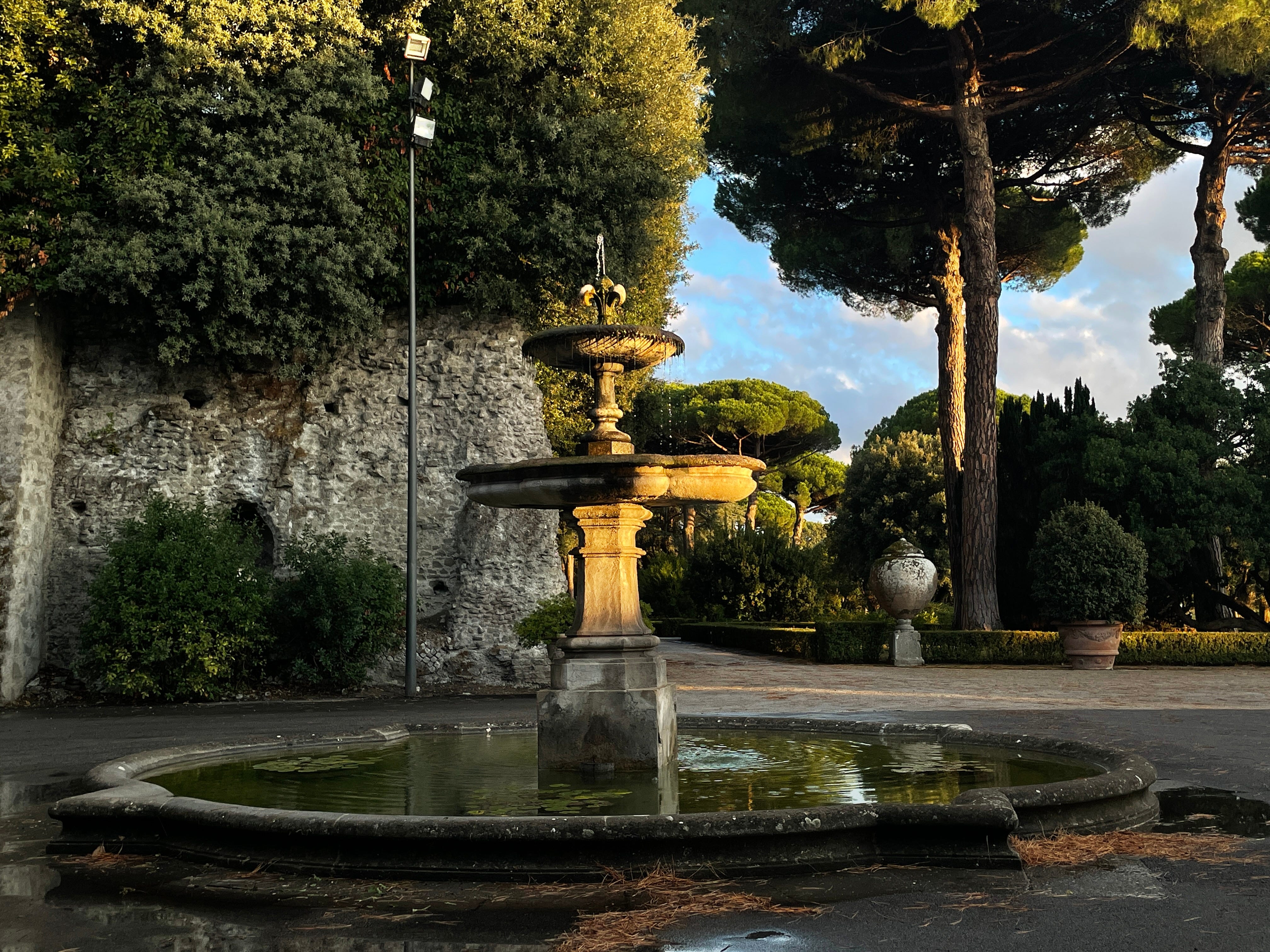
Somehow, this idea probably originated in the last century with figures like D’Annunzio and Benedetto Croce, who had to create laws to protect landmarks. In this case, we were talking about a pine woodland. And beware, pine woodlands are not natural in Italy; they’ve never been. They were a fashion in the 18th century. So there is this idea that a pine, an oak, a forest, and a fountain are the same.
Nature as a Cultural Product
I think there is another consideration: you cannot have a true forest if it’s not managed by humans, if it’s not kept, if it’s not tidy. Because in the end, nature is valued only when it’s a product of our culture. This is where many thinkers, intellectuals, and philosophers, who have been very influential in the last decades in Italy, clash with the idea that you cannot separate these things.
Cultural Worship and its Limitations
This worhip of human culture, focused on the past and on technology, without recognizing the world as seen by natural sciences and contemporary cultures (social sciences), is symptomatic of a culture that has neither the capacity nor the intention to look at the world, to the anxieties of people, of the youth, of different cultures.
Lascia un commento