After reading this wonderful piece of poetry by , I started to put into words some things that I feel about the act of creation of something new, that can be expressed by the Greek word ποίησις/poièsis.

I find it very fascinating that when we talk about poetry, it is taken for granted that poetry is an innate ability, an extraordinary gift of the poet. This is an idea that has been very popular in recent centuries. There is the notion that poetry is a divine gift, a supernatural endowment granted to special beings. This view is undoubtedly predominant in Italian culture, which holds an idealistic perspective heavily influenced by the philosopher Benedetto Croce. Benedetto Croce, for example, believed that certain parts of the Divine Comedy contained more poetry than others. He thought there were elements that were inherently more poetic than others.
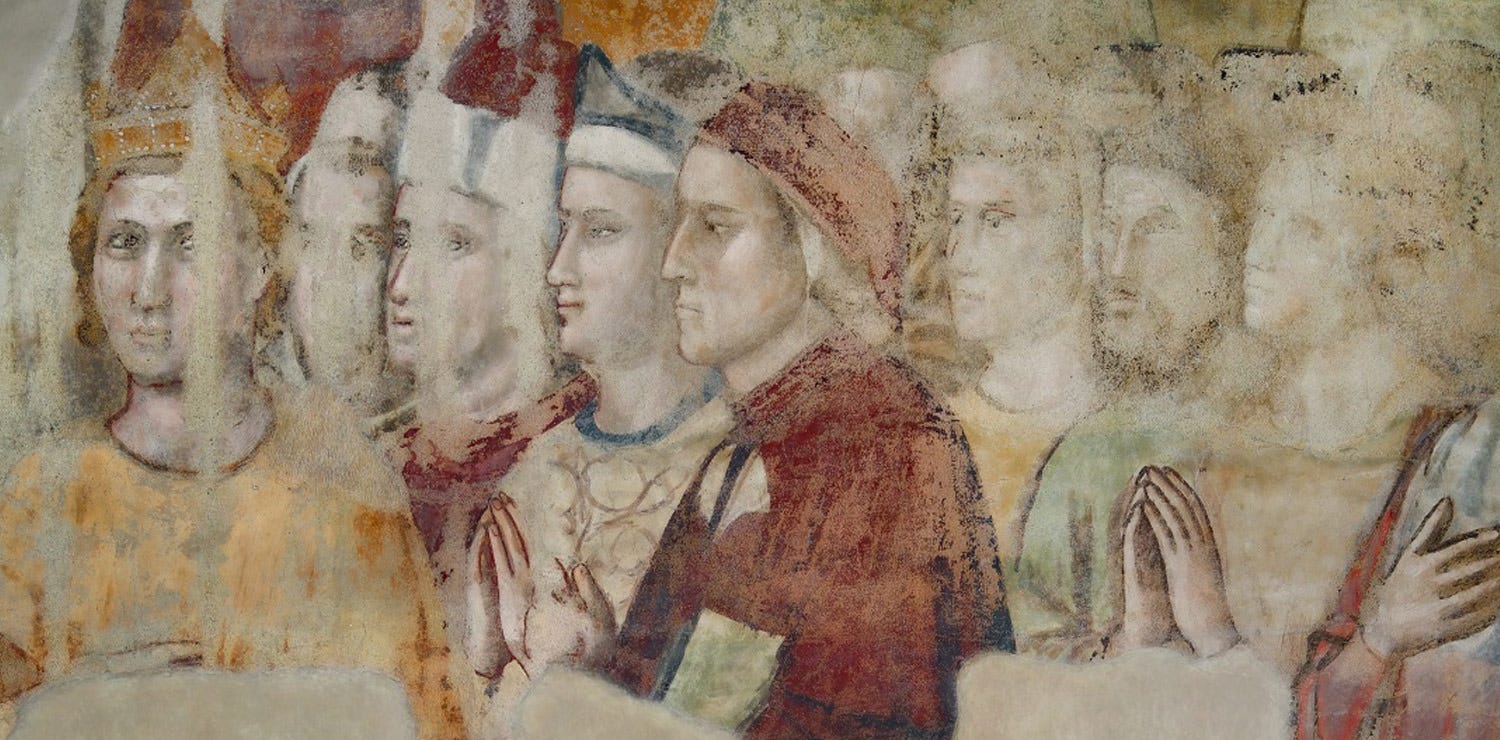
And these ideas have seeped into us as well, ultimately. I don’t write poetry because I am not a poet. I don’t paint because I am not a painter. I believe this is closely tied to living in an era where profit maximization is the most important criterion for shaping one’s existence, leading us to apply the same logic to skills and passions. We have no qualms about telling a child to focus on what they already know how to do, what comes easily to them, to avoid frustration or wasted time. To become richer, whatever it may mean. Whereas if they dedicated themselves to what they excel at, they would gain an advantage—because innate abilities are what get rewarded. Now, I don’t know if innate abilities truly exist or if these skills, these inclinations, are amplified by minor events occurring in the earliest hours, days, or months of our existence. We certainly know that social context is influential, economic circumstances matter, and the behavior of our parents, families, or caregivers profoundly shapes who we become and what we feel capable of doing.
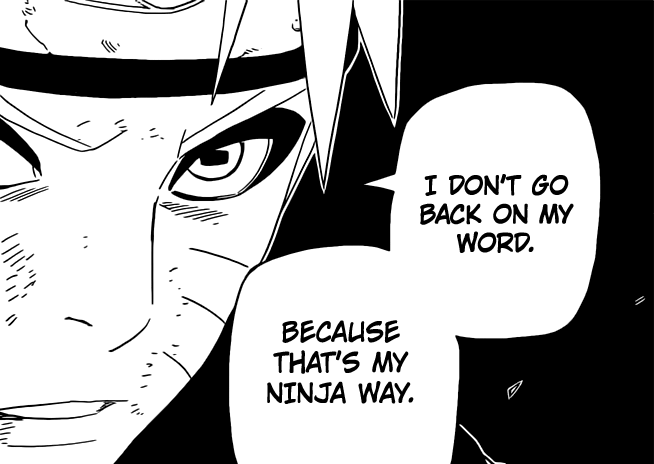
Only this year, as an adult, I started reading the manga “Naruto”, after a dear friend suggested me to try to meet this tale of ninjas and frienship. I started reading it and I was struck by the emphasis placed on effort from the very first episode of the story. Effort (commitment) beats talent, effort (commitment) overcomes natural strength, effort (commitment) defeats destiny.
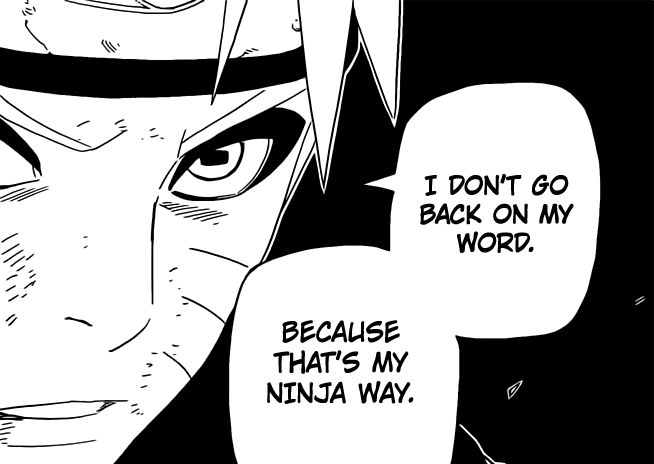
I don’t know if I can believe this—I’ve never believed it, because it seems to me that despite always striving for achieving something, I’ve achieved absolutely nothing. It feels like I’ve only ever succeeded at things that already came easily to me. Nevertheless, I’ve devoted my life to doing things that are difficult for me, and every day I find myself tackling tasks I don’t know how to do. This happens to many people, yet the more I talk to others, the more I feel inclined to live this way compared to others I know. I know many who refuse to engage with things they can’t do. I’ve always felt guilty about not knowing how to do something, which isn’t healthy, as it assumes a skewed self-image—one where there’s unlimited potential for everything, which is impossible in a finite human life. Naruto would never waste his energies like this.
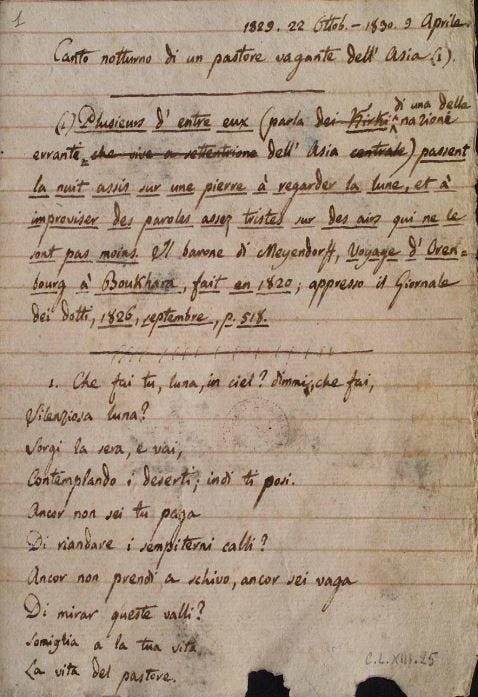
Yet, I think about how poets of the past, Italian medieval poets, didn’t see poetry as solely a personal vocation. Dante believed he had a prophetic, even more than poetic, calling. Poetry was the medium through which he expressed his prophecy. What made poetry, according to Dante and Petrarch, was the “labor limae”—the refining work, the meticulous crafting after an initial idea. The same process Giacomo Leopardi employed, writing and rewriting until he gifted us his marvelous works (“Che fai tu, luna, in ciel? dimmi, che fai, / Silenziosa luna?3”).
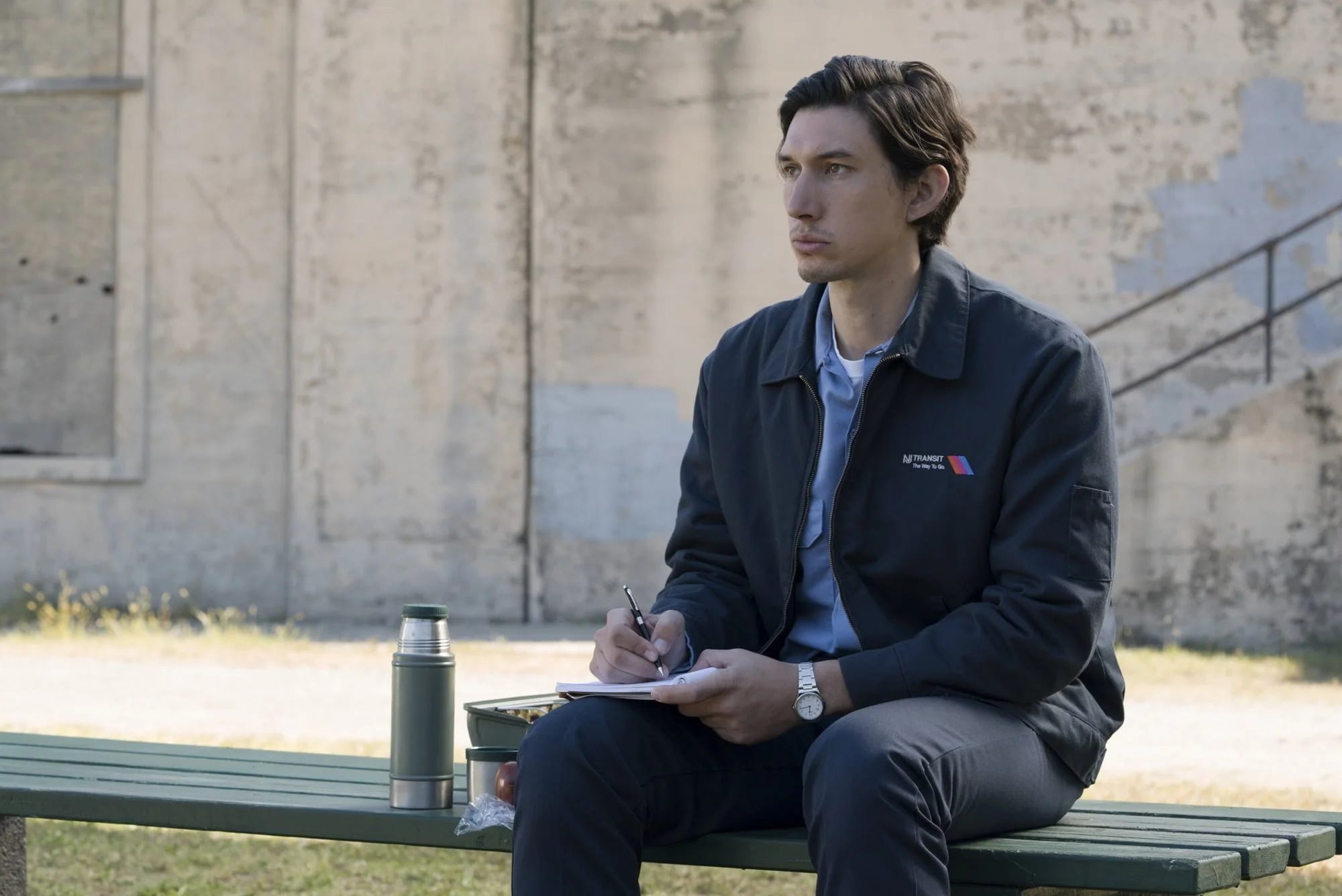
I was reminded of this recently while thinking about Jim Jarmusch’s film “Paterson”. I was struck by the beauty of the protagonist writing poems over multiple days, capturing the unspoken poetry of daily life and later shaping it into full-fledged verse. Poetry is craftsmanship—something created, produced, the fruit of labor.
Alda Merini, an extraordinary Italian poet, believed the poet was—in an almost Platonic sense—a harmonizer. “Noi siamo antenne” (“We are antennas”)—I can’t find the exact citation, but I’m certain of the phrasing. This idea blended Crocean thought (which locates the “special” not in poetry itself but in the specific, even mysterious, ways verses and images are crafted) with the refining labor of Dante, Leopardi, and Paterson, as well as the humility (which I lack) to recognize that through effort, reality can be transformed.
Just like Naruto.
Published on October 8, 2013 in Naruto and Sasuke Mix Chakra! Let’s End This – Naruto 650Full
https://www.giacomoleopardi.it/?page_id=6396#
By Giacomo Leopardi – [1], Public domain, https://commons.wikimedia.org/w/index.php?curid=53349279
Lascia un commento